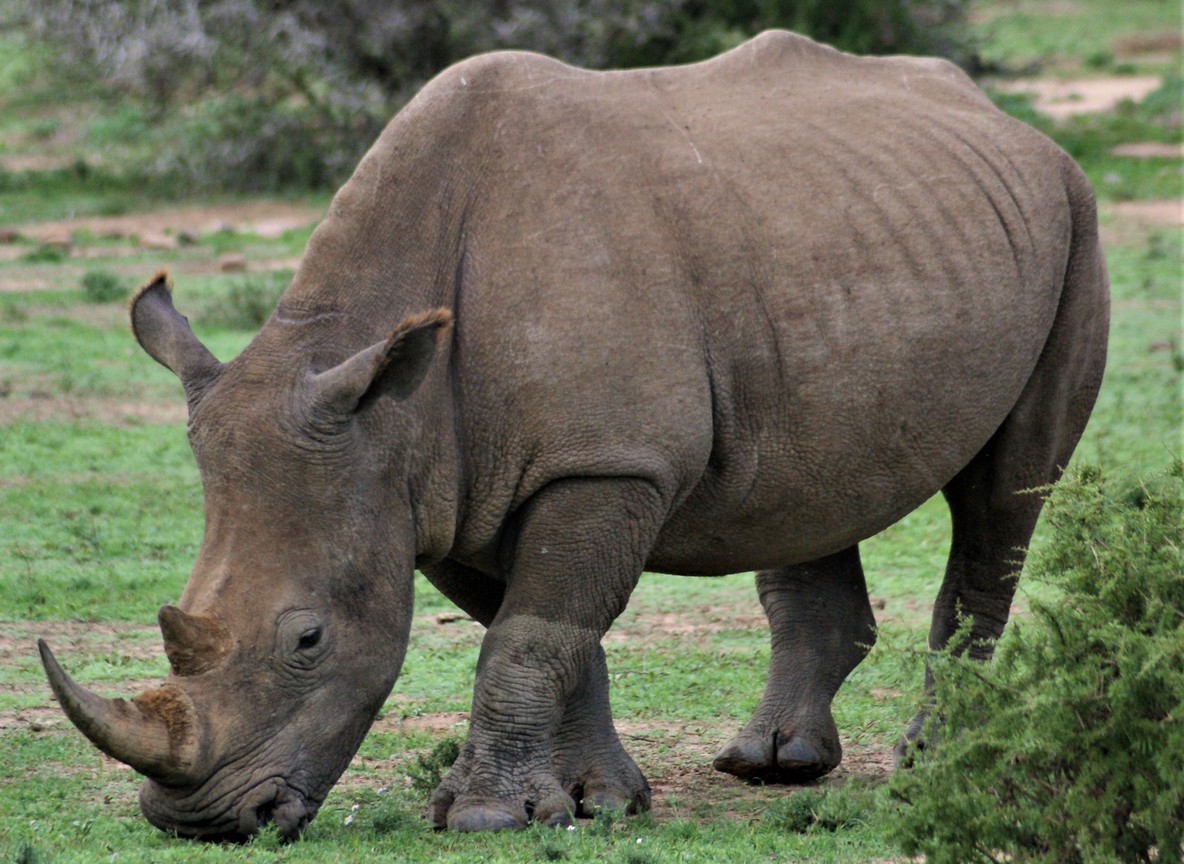
A chartered Boeing 747 landed in Kigali in June 2025 carrying 35 southern white rhinos. Three days later, a second flight brought 35 more. Both had flown more than 3,400 km from South Africa, a 20-hour journey timed to keep the animals calm and cool. The 70 rhinos joined a founding herd of 30 moved to Akagera National Park in 2021. That herd had already grown to 41 by the time the new arrivals touched down. The single move made Akagera home to Africa’s Big Five for the first time in decades.
Few parks anywhere have rebuilt this fast. Akagera lost nearly all its large mammals in the 1990s. It now stands alongside the Maasai Mara and Serengeti as a place where a traveler can expect to see all five signature species inside one boundary. Touring Insights breaks down the real numbers behind the translocation. Here is what it means for a Rwanda safari, and where to go for the best rhino sightings today.
Why Akagera Needed More Rhinos
Akagera lost most of its large mammals during and after Rwanda’s 1994 genocide. Returning refugees settled inside the park boundary, and poaching went unchecked. Lions vanished entirely by the mid-1990s. Black rhinos, once common along the Kagera River floodplain, disappeared by the early 2000s. Elephant and buffalo numbers held on in small pockets. The park’s original 2,500 km2 footprint shrank to roughly 1,122 km2 as farmland and settlements pushed against the boundary. For a while, Akagera looked like a park conservationists might eventually write off.
The Rwanda Development Board brought in African Parks to manage Akagera in 2010. The recovery started with fences, ranger patrols, and boundary agreements with neighboring communities. A 120 km electrified fence went up along the park’s southern and western edge in 2013. It was built to stop human-wildlife conflict, which had been driving both poaching and community resentment toward the park. Lions returned in 2015, translocated from South Africa after a twenty-year absence. Eastern black rhinos followed in 2017, when 18 animals arrived from South Africa after a decade-long absence, with more added in 2019. Southern white rhinos were the last piece missing before Akagera could call itself a genuine Big Five park. The 2021 and 2025 moves closed that gap.
Inside the 3,400 km Journey
The 2025 translocation was billed as the largest single rhino movement in history. African Parks worked with the Rwanda Development Board on the move. Funding came from the Howard G. Buffett Foundation, under the continent-wide Rhino Rewild Initiative, which aims to relocate over 2,000 rhinos to secure, well-managed parks. Each rhino was darted, crated, and flown out of South Africa in two phases of 35. The phases were spaced three days apart to limit stress on veterinary teams and the animals themselves. After landing in Kigali, the rhinos traveled by road to Akagera. They spent weeks in soft-release bomas before moving onto open range. The scale of the operation, and the funding behind it, signaled that Akagera was being positioned as a long-term rhino stronghold, not a one-off restocking.
Akagera’s Rhino Numbers at a Glance
| Figure | Detail |
|---|---|
| Southern white rhinos moved, June 2025 | 70, in two chartered flights of 35 |
| Distance traveled | approx. 3,400 km from South Africa, about 20 hours |
| Founding white rhino population (2021) | 30, grown to 41 by 2025 |
| Total white rhino population after 2025 move | approx. 111 |
| Eastern black rhinos reintroduced | 18, arrived in 2017 |
| Park management partnership start | 2010, African Parks and Rwanda Development Board |
| Funding partner for 2025 move | Howard G. Buffett Foundation, via Rhino Rewild Initiative |
Population figures shift as calves are born and as African Parks confirms counts through the year. Check current numbers with African Parks or Akagera before citing them elsewhere.
Completing the Big Five: What It Means for a Safari Here
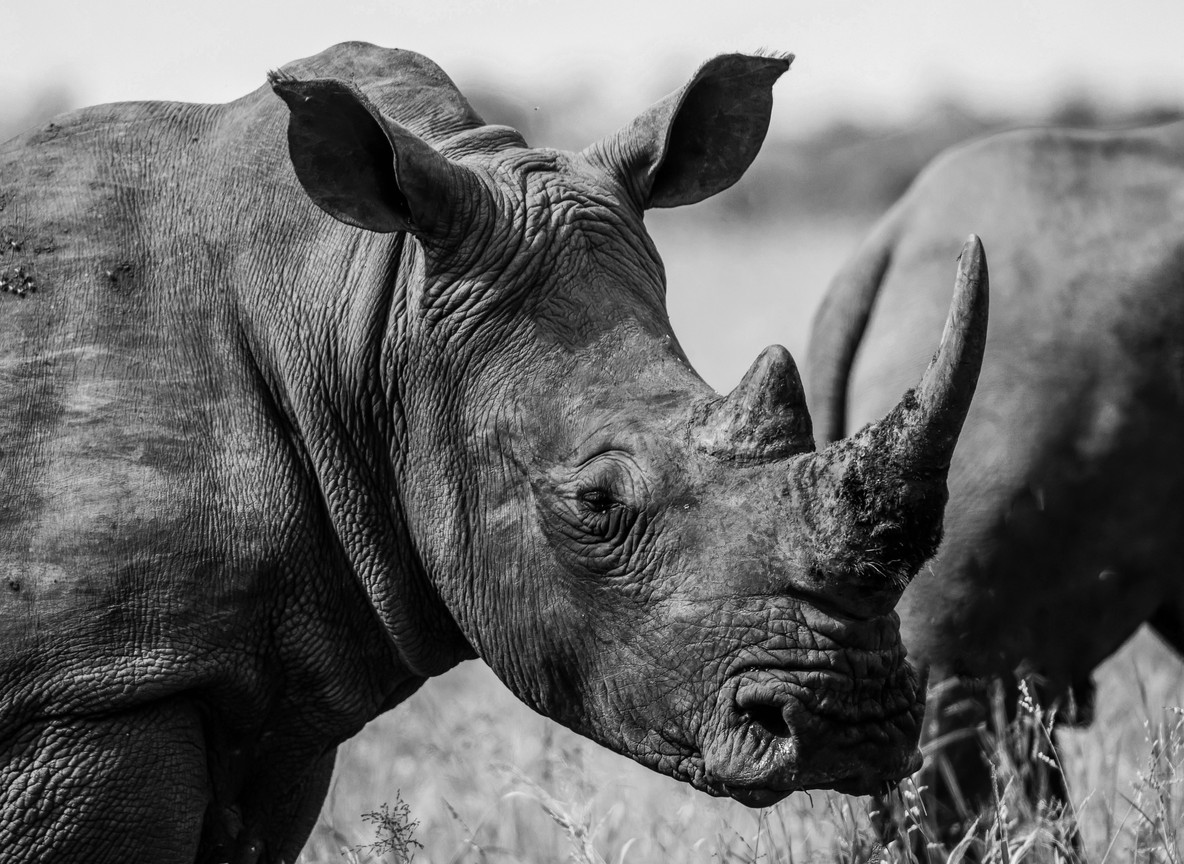
Akagera now holds lion, leopard, elephant, buffalo, and rhino within a single park boundary. Only a handful of East African destinations can make that claim. It matters for trip planning. Travelers who wanted a Big Five circuit used to need Kenya or Tanzania. Now a Rwanda itinerary built around gorilla trekking in Volcanoes National Park can add a genuine Big Five stop without leaving the country. The rhino population is still young and settling into new territory, so sightings take patience. Guides track individual animals by ear notch and microchip. They generally know which rhinos are still adjusting near release bomas, and which have moved onto the open plains around Lake Ihema.
Best Time to Visit Akagera for Rhino Sightings
Akagera stays drivable year-round, unlike Rwanda’s high-altitude gorilla parks, but timing still shapes the odds of a good rhino sighting. The long dry season runs June through September. It thins out the grass and pulls animals toward permanent water near Lake Ihema and the Kagera River. That combination of shorter grass and reliable water makes it the strongest window for spotting rhinos on the open plains. A short dry spell in December and January offers similar conditions on a smaller scale. The long rains fall from March through May. Roads soften then, and grass grows tall enough to hide a grazing rhino at close range. Guides still find sightings during the rains, but it takes longer. Trips often mean sticking closer to the tracked animals near release bomas rather than ranging widely across the park.
Where to Stay for Rhino Sightings
| Property | Style | Location | Indicative rate (pppn) |
|---|---|---|---|
| Magashi Camp (Wilderness Safaris) | Ultra-luxury tented | Magashi Peninsula, northern Akagera | USD 700-1,000+, all-inclusive |
| Ruzizi Tented Lodge | Luxury tented | Lakeshore near Lake Ihema | USD 300-500 |
| Akagera Game Lodge | Mid-range hotel-style | Hilltop near Lake Ihema | USD 100-200 |
| Karenge Bush Camp | Budget tented, self-catering option | Northern Akagera | USD 50-100 |
Rates are indicative and shift by season and booking channel. Confirm current pricing directly with the property or a partner operator before booking.
Getting There: Distances, Gates, and Fees
Akagera sits in northeastern Rwanda, hugging the Tanzanian border, and covers roughly 1,122 km2 of savannah, wetland, and lake. That is smaller than its pre-1997 footprint of around 2,500 km2, after boundary changes made room for returning refugees. Most visitors enter through Kiyonza Gate in the south, about 108 km and a 2.5-hour drive from Kigali on paved and gravel road. The northern gate near Kagitumba functions mainly as an exit for travelers continuing toward Uganda. Entrance fees for international non-residents run USD 100 per adult and USD 50 per child. East African Community residents pay USD 50 and USD 30. Rwandan and EAC citizens pay a local rate of roughly RWF 15,000, about USD 16.
Explorer Notes
Ask your guide whether any rhinos you spot are part of the 2025 group or the original 2021 founders. Ear-notch patterns and microchip records let rangers tell them apart, and guides enjoy sharing that detail. Rhinos newly released from a boma tend to stay close to water and cover for the first few months. Early morning game drives near Magashi and the northern plains often produce the best odds right now. Pack binoculars rated at least 8×42. White rhinos graze in open grass but often sit further off the track than expected. A boat trip on Lake Ihema pairs well with a rhino-focused game drive, since it covers hippos and crocodiles without adding a full extra day. Akagera’s roads turn slick fast in the long rains. A 4×4 with high clearance is not optional between March and May.
FAQ
How many rhinos are in Akagera National Park now? Akagera holds roughly 111 southern white rhinos following the June 2025 translocation of 70 animals, plus 18 eastern black rhinos reintroduced in 2017.
How far is Akagera National Park from Kigali? About 108 km, roughly a 2.5-hour drive to the main Kiyonza Gate in the south.
Does Akagera have the Big Five? Yes. Lion, leopard, elephant, buffalo, and rhino are all present, making Akagera one of the few parks in East Africa to hold a genuine Big Five within one boundary.
What does it cost to enter Akagera National Park? International non-residents pay USD 100 per adult and USD 50 per child. EAC residents pay USD 50 and USD 30. Rates change, so confirm with Akagera or a partner operator before travel.
Where did the 70 rhinos come from? South Africa. African Parks flew them in two chartered flights of 35, roughly 3,400 km, with funding from the Howard G. Buffett Foundation under the Rhino Rewild Initiative.
What to Read Next
- Planning a wider Rwanda trip? Read Nyungwe National Park at 20: Rwanda’s Chimp Trekking Alternative.
- Curious about Kenya’s own rhino comeback for comparison? See Kenya’s 2026 Rhino Range Expansion.
- Weighing Rwanda against neighboring parks? Compare circuits in Ruaha vs Nyerere: Tanzania’s Southern Circuit vs the Serengeti North.
Akagera’s rhino population is still settling in, and this year’s calves will not be the last sign of how well the move is working. Check the Tour Packages page for Rwanda itineraries that pair Akagera with gorilla trekking, or ask a partner operator which camp currently has the best access to the newest arrivals.
Further reading
More safari planning resources
- Masai Mara Big Five safari from SafariPure
- Kenya national parks map from Valley Safaris
- Big Five safari parks guide on Touring Insights
- Big Five safari collection on FindMySafari
Related guides: Big Five Safari Guide for Sepedi Speakers.